
- E-mail:info@moldhlh.com
- Tel:+86-198-6410-2854

Room 2003, 20th Floor, Xingji Building, Shangde Road, Shajing Street, Bao'an District, Shenzhen
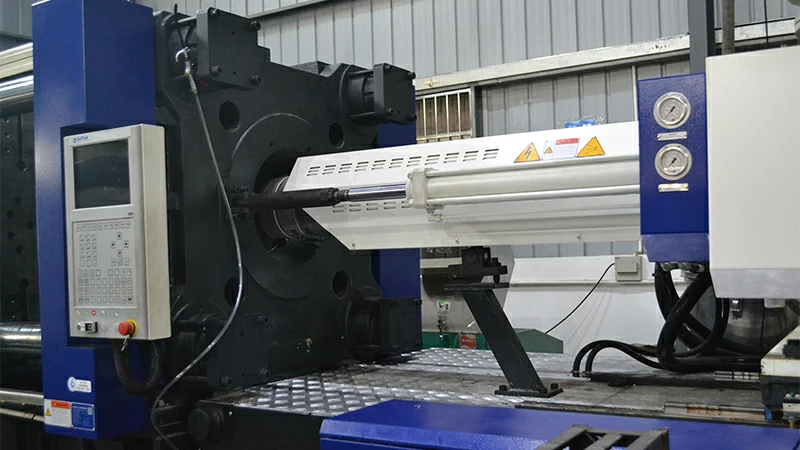
Liquid Silicone Rubber (LSR) Molding is a high-precision, automated injection molding process used to manufacture flexible, durable, and complex silicone parts. Unlike solid silicone, LSR is a two-part, platinum-cured elastomer that is pumped in a liquid state and cures rapidly in a heated mold. This advanced manufacturing technique is ideal for producing high-volume components with exceptional consistency, biocompatibility, and resistance to extreme environments.
The global Liquid Silicone Rubber market continues to see significant growth, driven by demand from the medical, automotive, and electronics industries for reliable, high-performance materials.
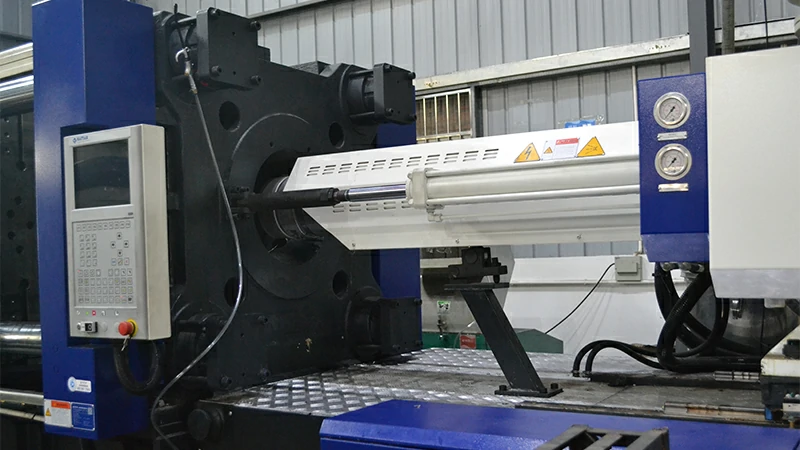
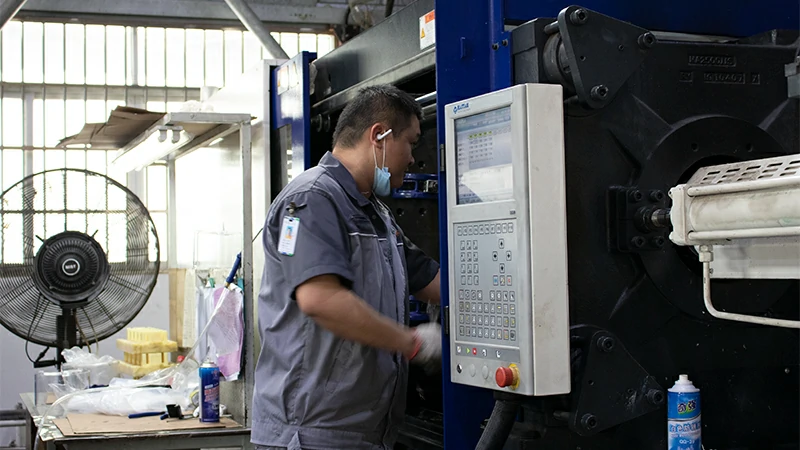
HLH injection molding machine
LSR offers a unique set of material properties that make it superior for many demanding applications:
· Excellent Temperature Resistance: LSR performs reliably in a wide temperature range, typically from -50°C to +200°C, without degrading.
· High Purity & Biocompatibility: Its platinum-cure system makes it inherently pure, meeting stringent FDA and USP Class VI standards for medical and food-contact applications.
· Superior Flexibility & Tear Strength: LSR parts exhibit high elasticity and excellent tear resistance, even in thin-walled sections.
· Chemical and Weather Resistance: It is resistant to UV light, ozone, many chemicals, and weathering, ensuring long-term performance.
· Optical Clarity and Colorability: Natural LSR is optically clear and can be easily colored with masterbatches to achieve any specific shade.
The LSR injection molding process is distinct from traditional thermoplastic molding and involves several critical stages:
1. Material Storage and Feeding: The two-part LSR compound (Base and Catalyst) is stored in cooled drums and fed via hoses to the molding machine.
2. Precise Metering and Mixing: A precision metering unit pumps the two components in a precise 1:1 ratio into a static mixer, creating a homogenous mixture. This process often occurs under a vacuum to eliminate air bubbles.
3.Injection into Heated Mold: The mixed liquid is injected at low pressure into a heated mold cavity (typically between 150°C and 200°C / 302°F and 392°F).
4. Rapid Thermal Curing: Upon contact with the hot mold, the LSR undergoes an exothermic reaction and cures in a matter of seconds.
5. Automated Demolding: The cured part is automatically ejected by robots. Due to LSR's tackiness, this often requires complex robotic end-of-arm tooling for de-gating and handling.
While compression molding is a common method for solid silicone (HCR), LSR injection molding is faster, more automated, and better suited for complex, high-tolerance parts with minimal flash. It also offers lower labor costs and higher output for high-volume production.
Although TPEs are a cost-effective alternative, LSR provides superior heat resistance, biocompatibility, and long-term material stability. LSR is a thermoset (it cures irreversibly), while TPEs are thermoplastics that can be re-melted.
Following Design for Manufacturability (DFM) principles is crucial for a successful LSR project:
· Maintain Uniform Wall Thickness: This ensures even curing and minimizes sink marks or warpage.
· Incorporate Adequate Draft Angles: Include at least 1° of draft on vertical walls to facilitate easy demolding.
· Use Generous Radii: Sharp corners create stress concentrations; use radii to improve material flow and part strength.
· Strategic Gate Placement: Gates should be located to allow complete cavity fill and minimize visible knit lines.
· Account for Shrinkage: LSR typically shrinks by 2-4% during curing, which must be factored into the mold design.
· Specify Tolerances Wisely: While LSR can hold tight tolerances, specifying them only on critical features helps control cost.
· Medical & Healthcare: Respiratory masks, syringe pistons, gaskets for drug delivery devices, catheter components, and implantable devices due to LSR's sterility and biocompatibility.
· Automotive: Seals and gaskets for engines and sensors, ignition coils, protective boots, and components for LED headlights due to its high-temperature and chemical resistance.
· Consumer Electronics: Waterproof seals for wearables and smartphones, keypads, tactile buttons, and protective cases.
· Infant & Food Products: Baby bottle nipples, pacifiers, bakeware, and food container seals, leveraging LSR's safety and non-toxic properties.
The future of LSR molding is being shaped by several key trends:
· Miniaturization: Demand for micro-sized, high-precision LSR components for medical and electronic devices.
· Multi-Material/Two-Shot Molding: Bonding LSR directly to thermoplastics or metal inserts in a single cycle to create complex, integrated assemblies.
· Increased Automation and Industry 4.0: Smart factories with connected LSR molding machines for real-time process monitoring and predictive maintenance.
· Sustainable Formulations: Development of bio-based LSR materials and more energy-efficient curing processes.
Selecting the right manufacturer is critical. Look for a partner with:
· Proven experience and expertise in LSR-specific molding.
· Advanced equipment, including vacuum molding presses and automated de-gating systems.
· A robust Quality Management System (e.g., ISO 13485 for medical).
· Strong design and engineering support to optimize your part for production.
· Transparency in project management and communication.
While we specialize in Liquid Silicone Rubber Molding, your project may require a combination of processes. Visit our main platform at prototypeshlh.com to discover our comprehensive services, including CNC machining, 3D printing, injection molding, and a wide range of surface finishing options.
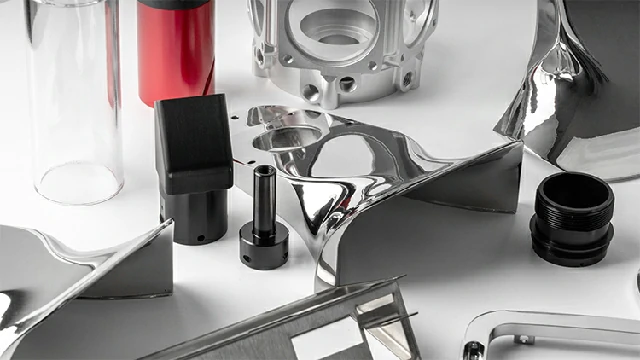
By understanding the capabilities, design requirements, and applications of Liquid Silicone Rubber Molding, engineers and product designers can fully leverage this versatile technology to create innovative, high-performance products.
Room 2003, 20th Floor, Xingji Building, Shangde Road, Shajing Street, Bao'an District, Shenzhen